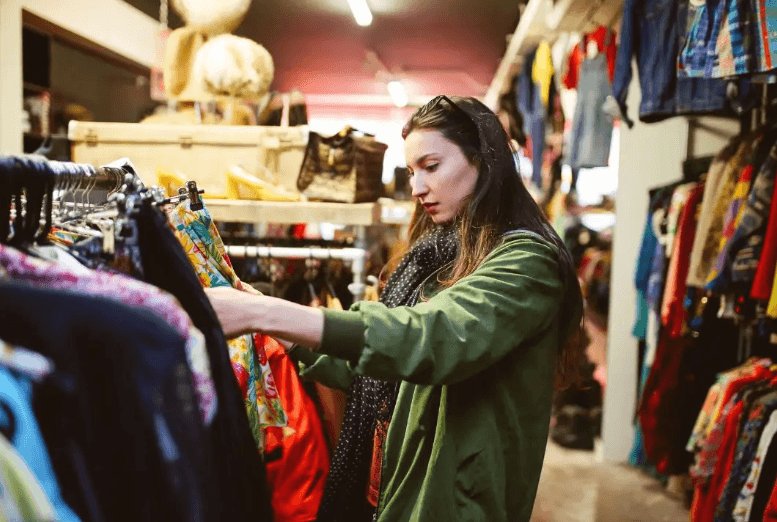
You can save money, reduce waste, and score unique pieces by shopping at a second hand clothing store in North London — and you don’t need to sacrifice quality to do it. Focus on fit, fabric, and condition to find pre-owned garments that look and wear like new.
Walk in with a clear goal and an eye for details: inspect seams, check labels for fabric content, and try items on to judge fit and feel. This article Second Hand Clothing Store shows practical ways to spot high-quality finds, explains the tangible benefits of buying second hand, and helps you build a wardrobe that’s both stylish and sustainable.
Benefits of Shopping Second Hand
You can lower your environmental footprint, stretch your budget, and discover pieces unavailable in mainstream retail. Each benefit ties directly to how you shop, what you buy, and how long you keep items.
Sustainable Fashion and Environmental Impact
Buying pre-owned clothing reduces demand for newly produced garments, which cuts water use, energy consumption, and textile waste. For example, choosing a used denim jacket instead of new can avoid the water and chemical inputs tied to fresh manufacturing.
Donating, reselling, or repairing extends an item’s life and keeps textiles out of landfills. You also support circular systems when you shop at a store that sorts, cleans, and redistributes garments instead of sending them to waste.
If you prioritize specific impacts, target materials and brands: natural fibers like wool and cotton still benefit from reuse, while high-impact synthetic items avoid the microplastic load of new production when kept in use longer.
Affordability and Value
Secondhand prices typically run 50% or more below retail for comparable brands and materials. You can buy a high-quality coat or well-made shoes at a fraction of the original cost, which frees up money for other needs.
Smart shopping focuses on condition and construction, not just brand labels. Look for intact seams, solid linings, and functional zippers; these details predict longer useful life and better value.
Thrift shopping also lets you build a durable wardrobe more affordably. Stretch your budget further by prioritizing investment pieces—outerwear, leather goods, and tailored items—that retain function and style over years.
Unique and Vintage Finds
Secondhand stores carry styles and cuts no longer produced, giving you access to one-of-a-kind items that differentiate your wardrobe. Vintage garments often feature craftsmanship and details—like hand-finished buttons or sturdy tailoring—missing from many fast-fashion pieces.
You can curate a distinctive look by mixing era-specific pieces with modern basics. Pay attention to fit and proportion: alterations are a small additional cost that can maximize wearability of rare finds.
Shopping secondhand also lets you test niche trends and bold colors without committing to full-price purchases. That lowers risk while increasing the chance you’ll find signature pieces that reflect your personal style.
How to Choose Quality Pre-Owned Clothing
Look for durable fabrics, intact construction, accurate sizing, and clear brand identifiers. Prioritize fibers, seams, closures, and visible wear when deciding what to buy.
Inspecting Fabrics and Labels
Feel the fabric for weight and recovery: natural fibers like wool, cotton, silk, and linen usually hold shape and breath better than cheap synthetics. Rub a small hidden area to check for pilling; heavy pilling signals worn surface fibers and shortened lifespan.
Check seams and hems for tight, even stitching. Loose threads, skipped stitches, or stretched seam lines indicate potential future repairs.
Read the care and fiber content labels. A label stating “100% cotton” or “100% wool” and clear country-of-origin or manufacturer details is a good sign. Beware of missing labels or ones with worn, unreadable text — that increases uncertainty about fiber content and care needs.
If the label lists “rayon” or blended low-cost synthetics, expect more fragile drape and possible shrinkage.
Assessing Fit and Condition
Try items on with similar underlayers to what you’ll normally wear. Pay attention to shoulder seams, sleeve length, and waist placement — these are harder to alter without cost.
Pinpoint repairs visually: look inside linings, under collars, and along sleeve vents for patches, uneven stitching, or mismatched thread.
Inspect closures and hardware: zippers should zip smoothly without teeth gaps; buttons should be firmly sewn; snaps and clasps should close securely. Check pockets and linings for holes or stains; small marks on exterior fabric are often repairable, but holes in lining can mean deeper wear.
Measure garments if buying online and compare to a well-fitting piece you already own.
See also: TruLife Distribution Under Scrutiny as NPI Allegations Continue to Raise Serious Questions
Tips for Authenticating Designer Items
Start with the label: examine font, spacing, and tag material against known authentic examples from the brand. Luxury labels use consistent logo placement, high-quality woven tags, and serial or style numbers.
Inspect hardware and stitching: designer pieces typically have even, tight topstitching and metal hardware stamped with brand marks. Poorly finished edges or uneven stitching are red flags.
Verify serial numbers, holograms, or authenticity cards when applicable. Research the brand’s specific markers — for example, date codes, lining patterns, or zipper brands used by that designer.
Use reputable seller verification tools and request clear photos of logos, inside tags, and hardware before purchase. If the price seems too low for condition, treat the listing with skepticism and seek secondary verification.