You can pack a full adventure into a single day on the Bruce Peninsula or stretch into a slow, nature-rich escape—either way, you’ll find dramatic cliffs, clear turquoise waters, and trails that reward effort with stunning viewpoints. If you want iconic outdoor experiences, prioritize hiking Bruce Peninsula National Park trails, visiting the Grotto, and exploring Georgian Bay’s shoreline for swimming, kayaking, and cliffside views.
Beyond high-energy hikes, you can seek quieter pleasures: hidden coves, scenic lookouts, and small towns with local food and history that reveal the Peninsula’s character. This article Bruce Peninsula Things to Do guides your outdoor choices, highlights lesser-known local experiences, and helps you plan time on trails, water, and in villages so you make the most of your visit.
Top Outdoor Adventures
Expect rugged trails, dramatic shoreline features, and clear water suited to swimming or paddling. Pack proper footwear, a daypack with water and layers, and a camera for viewpoints.
Hiking in Bruce Peninsula National Park
You’ll find a network of trails anchored by the Bruce Trail and several loop routes that range from short shoreline walks to multi-hour ridge hikes. Prioritize trails like the Cyprus Lake Shoreline for easier terrain and the Clifftop Trail for exposed escarpment views; check trail maps and markers before you start.
Trail surfaces vary from packed earth to limestone slabs and roots, so wear sturdy shoes with good grip. Carry at least 2 liters of water in summer and snacks; insects can be heavy in warm months so bring repellent. Be aware of steep drop-offs along the escarpment and stay on marked paths to protect fragile vegetation and for your safety.
If you plan an overnight backcountry trip, reserve campsites early and pack a tent rated for the season. Weather can shift quickly; layers and rain protection matter. Ranger stations and park signage provide current conditions and any safety notices.
Exploring The Grotto
The Grotto sits along a limestone shore where wave-eroded caves reveal turquoise pools and swim-access ledges. Visit earlier in the day to avoid crowds, watch changing light on the water, and find safer swimming spots on calm days. Note that access often requires descending rock steps and short cliff scrambles.
Bring water shoes for slippery rock and a towel or dry bag for electronics. The area can be hazardous after storms; check park advisories and avoid cliff edges. If you swim, enter slowly—water depth and temperatures vary and submerged rock makes footing uncertain.
Photography opportunities are strong around sunrise and late afternoon. Respect posted rules about cliff jumping and conservation; staying on designated access routes protects both you and the site.
Kayaking on Georgian Bay
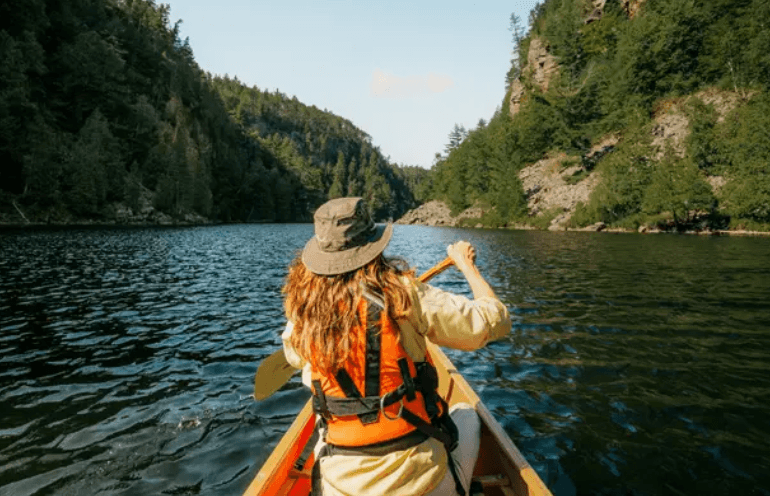
You can launch from Tobermory marinas or designated put-ins to paddle coastal coves, sea caves, and shipwreck sites. Choose a day trip or multi-day route; inexperienced paddlers should stick close to shore and consider guided tours that include navigation and safety briefings.
Wear a properly fitted PFD at all times and carry a whistle, bilge pump, and waterproofed map or GPS. Georgian Bay weather and winds can build quickly; check marine forecasts and plan crossings for calmer windows. Bring a dry bag with layers, food, and emergency kit.
For multi-day trips, plan campsites on legally designated shore areas or book island/backcountry sites in advance. Practice group communication and stay within sight of companions, especially when exploring points and narrow channels.
Hidden Gems and Local Experiences
You’ll find dramatic sea stacks, vibrant underwater life, and a perfect picnic spot where land meets Lake Huron. Each place offers a distinct way to experience the peninsula’s geology, water clarity, and quiet shoreline.
Discovering Flowerpot Island
Take the passenger ferry from Tobermory to Flowerpot Island; the crossing takes about 15–20 minutes depending on weather. Trails loop around the island and lead to the iconic “flowerpot” sea stacks—dolostone pillars shaped by waves—and to lookout points with views of Georgian Bay’s turquoise water.
Bring good shoes for uneven limestone pathways and a light jacket; winds on exposed headlands can be stronger than on shore. Facilities are limited: pack water, snacks, and sunscreen, and plan your return boat times—ferries run seasonally and can fill up. Photography is best in morning or late afternoon light when shadows accentuate the rock textures.
See also: Field Service Management Software: Optimizing Workforce Efficiency and Customer Satisfaction
Snorkeling and Scuba Diving
Water clarity near Tobermory and Fathom Five National Marine Park often exceeds 10–20 metres in summer, making it excellent for underwater viewing. You can snorkel from shallow rocky shores or arrange guided scuba dives to explore cold-water reefs, kelp beds, and dozens of shipwrecks protected as part of the marine park.
If you dive, check local operators for certified guides, gear rental, and a briefing on currents and thermoclines; water temperatures remain cool even in July and August. Snorkelers should wear wetsuits or rashguards and use reef-safe sunscreen. Always enter with a buddy, mark your entry point, and avoid touching underwater features or marine life to help preserve the park.
Picnicking at Halfway Log Dump
Halfway Log Dump sits west of Tobermory and offers a sheltered cove, flat limestone shelves, and shallow clear pools ideal for a relaxed picnic. You’ll find easy access from the parking area to rock ledges where you can spread a blanket and enjoy sheltered views of the bay.
Facilities are minimal, so bring a cooler and a trash bag; there are no staffed services on-site. The site works well for families because the shallow areas warm faster and provide safe spots for wading. Time your visit for late afternoon to avoid midday crowds and to catch softer light on the water.