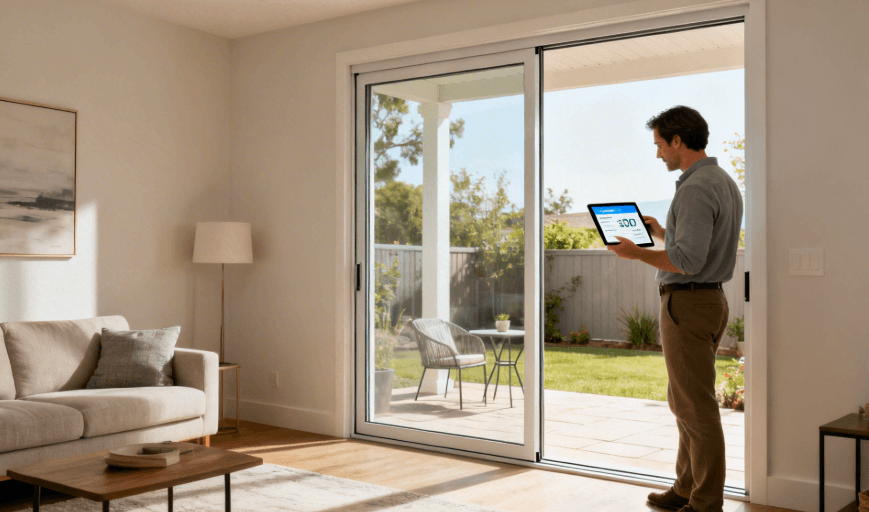
Replacing a sliding glass door can feel overwhelming, but you can make a smart choice that improves security, energy efficiency, and curb appeal without unnecessary cost. If your glass is cracked, fogged between panes, or the frame leaks and drags, replacing the glass or the entire door is often the most practical way to restore function and value.
This post Sliding Glass Door Replacement walks you through picking the right replacement—whether a full door swap or just new glass—what to expect from professional installation, and how to maintain your door for years of smooth operation. Keep reading to figure out which option fits your budget and home, how professionals handle measurements and fitting, and simple upkeep that prevents repeat issues.
Choosing the Right Glass Door Solution
You’ll focus on style, performance, and compatibility with your home. Prioritize door operation, glass performance, and frame material to meet your climate and security needs.
Popular Styles and Features
Pick a door style based on how you use the opening and the sightlines you want. Standard two-panel sliding doors fit most patios and save space; multi-panel bypass or pocket systems create wider, nearly floor-to-ceiling openings for entertaining.
Look at features that affect daily use: soft-close rollers, adjustable ball-bearing tracks, and keyed or multipoint locks change operation and security. Integrated screens, retractable screens, and low-profile sills help with ventilation and insect control while maintaining a clean threshold.
Choose glass options that address light, privacy, and thermal performance. Low-E coatings, double- or triple-pane IGUs, and gas fills (argon/krpton) reduce heat transfer and solar gain. Tempered or laminated safety glass prevents dangerous breakage and can meet local code requirements.
Material and Energy Efficiency Considerations
Frame material affects durability, maintenance, and insulation. Vinyl frames resist corrosion and require little upkeep; fiberglass offers dimensional stability in extreme temperatures; aluminum is slim and strong but needs thermal breaks to avoid conductive heat loss. Wood gives a warm appearance but demands regular finishing and may need a composite-clad exterior for low maintenance.
For energy efficiency, target U-factor and SHGC ratings appropriate for your climate. Lower U-factor reduces heat loss in cold climates; lower SHGC helps in hot, sunny regions. Look for ENERGY STAR or NFRC-labeled products and compare exact numbers rather than marketing terms. Proper installation and insulated sills are as important as glass specs—air leaks or a warped frame can negate performance gains.
Matching Door Types to Home Architecture
Match door proportions and frame color to existing fenestration and exterior materials for a cohesive look. Contemporary homes pair well with minimal-framed, floor-to-ceiling glass and black or anodized aluminum frames. Traditional or craftsman homes suit divided-lite patterns, wood or wood-clad frames, and warmer finish tones.
Consider roof overhangs, porch depth, and prevailing wind direction. Large, unshaded glass faces south or west? Use Low-E glass with appropriate SHGC or add exterior shading to control solar gain. For coastal or high-wind areas, choose impact-rated glass and corrosion-resistant hardware to meet local codes and extend service life.
Professional Installation and Long-Term Care
You need accurate measurements, skilled installers, and a clear maintenance plan to ensure smooth operation, weatherproofing, and safety over the door’s service life.
Hiring Qualified Installers
Choose installers with specific sliding-glass-door experience, not just general carpentry. Ask for proof of licensing, insurance, and references for projects similar to yours—patio doors, multi-panel units, or glass-only replacements. Verify they provide a written estimate that itemizes labor, frame work, glass type (tempered, laminated, low-E), and warranty coverage.
Confirm installers follow manufacturer installation instructions and local building codes. Request a project timeline, start/end dates, and a single point of contact. Insist on a final walkthrough where they check alignment, threshold seal, weatherstripping, and lock operation; get any punch-list items documented and dated.
Preparation and Measurement Process
Accurate rough opening and frame measurements prevent delays and door misfit. Measure height, width, and diagonal dimensions at three points each; record the smallest width and height to allow for shimming and insulation. Specify whether you want the existing frame reused or full-frame replacement, as this affects size tolerances and installation steps.
Discuss insulation, sill pan installation, and drainage details before ordering glass. Provide installers with information about flooring, trim, and any interior/exterior finishes so they can plan flashing and trim removal. Confirm glass specifications—U-factor, solar heat gain coefficient, and glazing type—so the unit arrives ready to meet your energy and safety goals.
See also: Develop Your Business 7136375603 Online Platform
Maintenance and Safety Essentials
Inspect and clean tracks, rollers, and weatherstripping every 3–6 months. Remove debris with a vacuum or soft brush, then wipe tracks with a damp cloth; lubricate rollers and lock mechanisms with a silicone spray lubricant—not oil—to avoid attracting dust. Replace worn rollers or damaged seals promptly to prevent misalignment and air leaks.
Test locks and emergency egress annually to ensure security and safe exit paths. For broken or cracked panes, choose tempered or laminated glass and hire professionals for replacement; do not attempt to remove heavy glass alone. Keep a record of warranty documents, installation notes, and maintenance actions for future service calls.