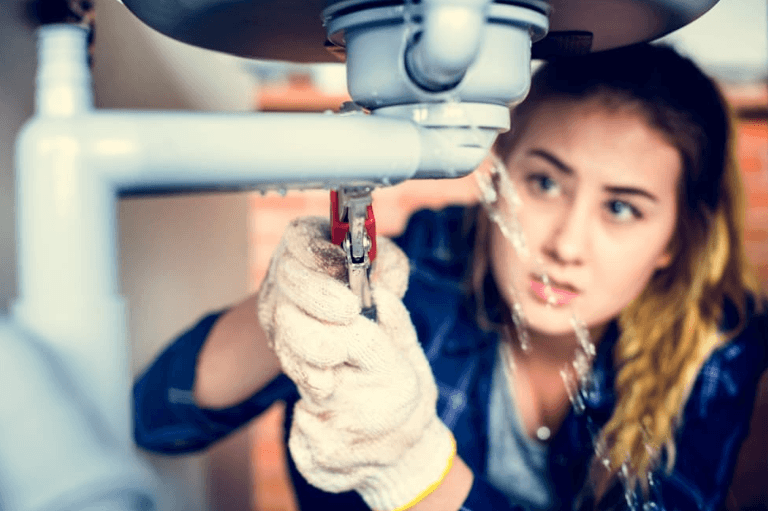
A sudden burst pipe or a sewer backup demands action now—you can stop damage and protect your home by calling a qualified emergency plumber who responds quickly and fixes the problem right the first time. You should prioritize a 24/7 licensed professional Emergency Plumbers who can diagnose the issue, contain leaks, and restore safe water flow to prevent costly repairs and health risks.
This post Emergency Plumber will walk you through what counts as a plumbing emergency, how professionals handle urgent leaks and clogged drains, and practical criteria to choose a reliable service so you can make fast, confident decisions when time matters.
Common Plumbing Emergencies
You may face sudden water damage, raw sewage, or overflowing fixtures that require immediate action. Quick, specific steps can reduce damage and keep you safe.
Burst Pipes and Major Leaks
A burst pipe can release dozens to hundreds of gallons per hour depending on pipe size and pressure. Shut off your main water valve immediately, then open nearby faucets to drain pressure and reduce flooding.
Protect belongings by moving them away and placing buckets or towels under leaks. If electricity is near the water, turn off the breaker for that area before entering the space. Photograph damage for insurance and avoid attempting major repairs yourself; temporary fixes like pipe clamps or rubber and hose clamps can slow a leak but won’t replace a professional repair.
When you call a plumber, tell them the pipe material, location (basement, wall, crawlspace), and visible signs like frost or corrosion. Ask if they provide emergency tarping, water extraction, or coordination with restoration services.
Sewer Backups
A sewer backup can send contaminated water into sinks, tubs, or floor drains and creates a health hazard. Stop using water and plumbing fixtures immediately to prevent sewage from spreading.
Avoid contact with the water; wear gloves and boots if you must enter the area. Do not run the washing machine, dishwasher, or flush toilets. Note smells, gurgling drains, or multiple fixtures backing up simultaneously—these details help the plumber diagnose a main-line blockage or tree-root intrusion.
Professional service typically includes camera inspection, snaking or hydro-jetting, and potentially a main-line repair. Ask about containment, disinfecting procedures, and how they will protect your home while clearing the line.
Overflowing Toilets
An overflowing toilet often results from a clog in the toilet trap or further down the drain line. Stop additional flushing and remove the tank lid to close the flapper if you need to stop water flow quickly.
Use a flange or standard plunger in several firm pumps to dislodge the blockage. If that fails, a closet auger (toilet snake) can reach deeper clogs without damaging porcelain. Avoid chemical drain cleaners; they can damage pipes and create hazardous fumes.
If multiple fixtures are affected or the toilet repeatedly overflows after plunging, the issue may be a sewer line problem. Tell the plumber what you tried, whether the overflow contained waste or just water, and how long the issue has persisted.
How to Choose a Reliable Service
Check for proper licensing, quick response guarantees, and real local feedback. Focus on credentials, expected arrival time and hours, and what neighbors actually say about the company.
Credentials and Licensing
Verify the plumber’s state license number and insurance before you call. A valid license shows they passed required exams and met continuing-education rules; ask for the number and confirm it on your state contractor board website.
Confirm they carry general liability and workers’ compensation insurance. Request to see proof or get the insurer’s name and policy number so you can verify coverage if a technician is injured or property is damaged.
Look for specialty certifications when relevant, such as gas-line handling, backflow prevention, or water-heater installation. Those certifications reduce the risk of improper repairs and may be required for permits.
See also: Renovations London: Expert Home Refurbishment and Design Solutions
Response Times and Availability
Ask for a guaranteed response window and whether dispatch times change after-hours. A true emergency plumber will give you a specific arrival estimate (for example, “within 60 minutes”) and update you if delays occur.
Check whether they offer 24/7 service and how they handle peak demand. Some companies triage calls and dispatch based on severity; confirm where your issue falls and if there’s an extra fee for nights or weekends.
Get pricing policies up front: ask about a flat emergency fee, hourly rates, and any minimums. Insist on written estimates before work begins when possible, or at least a clear verbal breakdown of charges.
Local Customer Reviews
Read multiple recent reviews on at least two platforms (Google, Yelp, or local listing sites). Focus on reviews mentioning similar emergencies, punctuality, pricing transparency, and cleanup after the job.
Pay attention to patterns, not single complaints. Repeated notes about missed arrival windows, surprise charges, or poor communication are red flags. Positive patterns for rapid response and clear invoices are good signs.
Contact neighbors or local community groups for firsthand recommendations when possible. Local referrals often reveal whether a plumber reliably works in your neighborhood’s building types and code requirements.