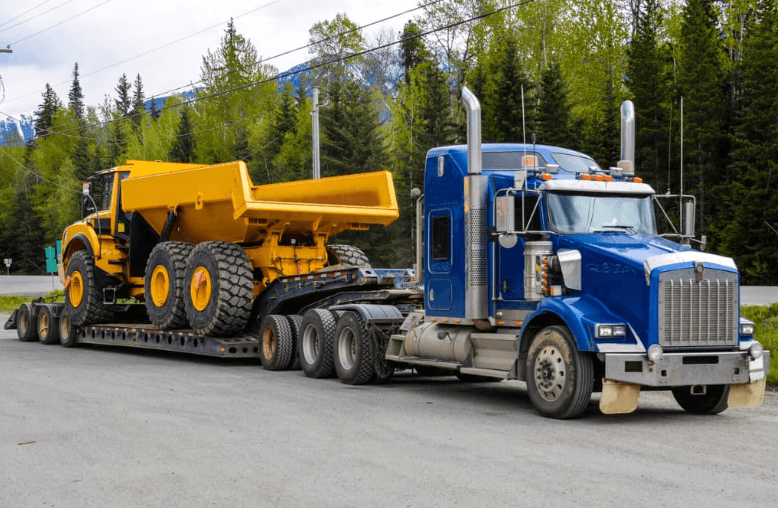
If you move logs, manage a woodlot, or outfit a property for seasonal work, a logging trailer saves time and reduces back strain by letting you carry larger, heavier loads safely. A purpose-built logging trailers gives you the capacity, durability, and braking/axle configurations needed to haul timber reliably across rough terrain and roadways.
This article Logging Trailer as Buying Guide breaks down the key features and specifications that determine performance—chassis strength, suspension type, bunk layout, and braking systems—so you can match a trailer to your job. You’ll also see practical applications and best practices for loading, towing, and maintaining your trailer to keep operations efficient and safe.
Key Features and Specifications
You will find the most relevant choices affect frame type, axle setup, rated payload, and suspension system. Each decision changes trailer weight, ground clearance, maneuverability, and the type of tractor or truck you must use.
Types of Frames
Choose between straight-frame, drop-center (recessed), and plantation/steep-terrain frames based on load shape and center of gravity.
Straight-frame trailers use a continuous top rail and offer a lighter structure for hauling long, straight logs over highways. They typically weigh less per foot of deck and simplify loading with end-dock configurations.
Drop-center (recessed) frames lower the load deck relative to the bunk tops, reducing trailer height and improving stability for long, heavy timber. These frames often incorporate 70K high-strength steel bolsters and thicker crossmembers to resist bending under concentrated loads.
Plantation and steep-terrain frames feature reinforced side rails and raised bunks or stepped decks to keep logs from rolling on slopes. You should pick these when operating on hilly ground or in thinning operations where load containment and lateral stability matter most.
Axle Configurations
Single, tandem, and tridem axle setups dictate gross axle weight rating (GAWR) and legal roadability.
Single-axle log trailers suit light-duty ATVs or small tractors and usually have GAWRs up to ~3,000–4,000 lbs per axle; use them for short logs and low-volume work.
Tandem axles are the industry standard for commercial log trailers, offering increased payload and better distribution—common GAWRs run 10,000–25,000 lbs per axle depending on axle type (leaf-spring vs. air). Tandems improve braking and reduce per-axle ground pressure compared with singles.
Tridem and multi-axle assemblies support high-capacity, long-haul operations. They spread heavy loads across more tires to meet weight-per-axle limits and minimize road damage. When you configure axles, match hub, brake size, and tire load ratings to the trailer’s intended maximum gross vehicle weight.
Load Capacity
Rated load capacity depends on frame strength, axle rating, bunk layout, and tongue or coupling class.
Light-duty logging trailers designed for ATVs or small tractors often carry 1,000–3,000 lbs and accept logs up to ~26–34 inches diameter depending on length. Manufacturers specify both maximum payload and recommended log diameter/length combinations.
Commercial trailers list payload as the difference between gross vehicle weight rating (GVWR) and empty trailer weight. For example, a 42′ drop-center trailer weighing ~9,800 lbs with a GVWR of 80,000 lbs yields a large usable payload, but legal limits and permit requirements will often reduce practical load size.
Match bunk spacing and bolster strength to the log types you haul—pulpwood, long sawlogs, and short-thin thinning cuts each load differently. Overloading any trailer compromises braking, steering, and frame life.
See also: Boost Your Business 677486821 Online Platform
Suspension Options
Suspension choice affects ride quality, ground pressure, and off-road capability.
Leaf-spring suspensions are simple, durable, and common for heavy-duty log trailers. They tolerate shock loads and require less maintenance, but give a firmer ride and higher ground-bearing pressure compared with air systems.
Air-ride suspension systems improve highway ride, reduce bounce when carrying long loads, and allow on-the-fly load leveling. They help maintain consistent bunk contact on uneven roads and can extend tire and frame life, though they add cost and require more maintenance (compressors, valves, airbags).
Independent and heavy-duty off-road suspensions appear on purpose-built forwarders and log loader trailers. These reduce ground pressure with larger flotation tires and permit each wheel to articulate independently—valuable when working on soft or sensitive ground where minimizing soil compaction is critical.
Applications and Best Practices
You will find practical guidance for using logging trailers in active harvest sites, keeping trailer systems maintained, and enforcing safety measures that reduce downtime and liability. Focus on load planning, scheduled upkeep, and specific safety controls to keep operations efficient and compliant.
Forestry Operations
You should match trailer type to the job: use stinger-steer or fixed-length log trailers for full-length stems, and pole or bunks trailers when reducing tare weight matters. Choose bunks and stakes rated for the maximum log diameter and configure bolsters to support the center of gravity on uneven forest roads.
Plan loads by length, diameter, and grade to avoid overhang violations and axle overloads. Use removable stakes and adjustable bunks for mixed-size loads, and secure logs with rated chains or tensioning binders placed near bolsters to prevent rolling during transit.
Consider road conditions: equip trailers with off-road tires and appropriate suspension if you routinely run on skid trails. For operations near mills, optimize load cycles and staging areas to minimize deadhead miles and reduce fuel and labor costs.
Maintenance Guidelines
You must inspect critical components before each shift: hubs, wheel bearings, brake chambers, air lines, and stake pockets. Look for cracks in the frame, loose fasteners on bunks, and wear on load-bearing pins; replace worn parts promptly to avoid catastrophic failures.
Establish a maintenance interval schedule based on hours and mileage. Grease pivot points, torque axle nuts per manufacturer specs, and perform brake adjustment and air-system tests monthly under load conditions.
Keep a log of repairs and parts replaced so you can track recurring faults and adjust preventive measures. Store spare stakes, chains, and a basic seal kit on the truck to reduce downtime in remote locations.
Safety Considerations
You must secure every load to meet local weight and dimension permits and carry required permit documents when operating oversize. Use rated binders and inspect tension before leaving the loading site; re-tension after the first few miles and at regular intervals thereafter.
Train crews on safe loading/unloading: keep clear zones, use taglines when rolling logs, and never stand between a log and a fixed object. Equip trucks with wheel chocks, reflective warning signs, and a working load binder inspection kit.
Follow braking and speed management practices on grades: downshift early, use engine braking where available, and observe axle weight limits to preserve stopping distance. Document safety checks and near-miss events to continually improve your procedures.