You need snow cleared quickly and safely so your property stays accessible and you avoid liability. Hiring a professional snow removal service saves you time, reduces risk from slips and accidents, and ensures reliable, timely clearing with the right equipment and deicing methods.
This articleSnow Removal Service explains how professional snow management works, what services to expect, and how to choose a reliable provider so you can protect your home or business without guesswork. Expect practical tips on service plans, response times, equipment, insurance, and what questions to ask before signing a contract.
Understanding Professional Snow Management
Professional snow management keeps your property safe and accessible through planned services, proper equipment, and strict safety measures. You get targeted clearing, surface treatment, and ongoing monitoring designed to reduce slip-and-fall risks and maintain access for vehicles and pedestrians.
Types of Common Services Offered
You can expect a mix of reactive and proactive services tailored to your site. Reactive services include plowing, shoveling, and snow hauling right after a storm to clear drive aisles, parking spaces, and building entrances. Proactive services cover pre-treatment with brine or liquid de-icer and scheduled patrols during storms to prevent buildup.
Specialized offerings address unique needs: sidewalk clearing, handicap ramp maintenance, roof snow removal to prevent structural overload, and snow relocation when piles impede sightlines or parking capacity. Contracts often include priority response levels, defined snow depths that trigger service, and staged billing so you know when and how often crews will respond.
Equipment and Technology Used
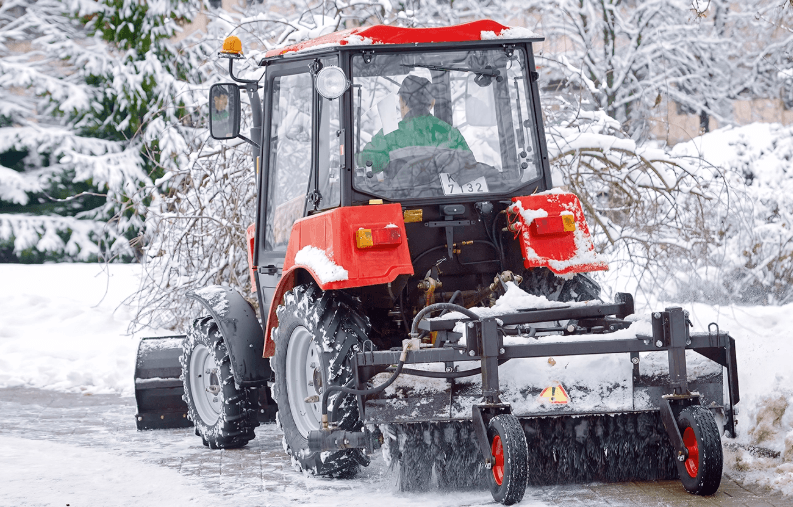
You will see a range of machines chosen for surface type and property size. Common equipment includes plow trucks, skid steers with snow buckets or blades, tractors with blowers for large lots, and walk-behind snow blowers for tight pedestrian areas. Hand tools and pushers remain essential for steps, curbs, and doorways.
Technology improves efficiency and documentation. GPS fleet tracking confirms crew locations and route coverage. Weather-monitoring software triggers pre-treatment and dispatch. Many providers use digital reporting and photos to document cleared areas, ice treatments applied, and time-stamped arrival/departure for liability records.
Safety Protocols and Precautions
You should expect written safety plans and trained crews that follow them. Providers train operators on safe machine use, visibility practices, pedestrian awareness, and cold-weather exposure prevention. They also enforce PPE use—high-visibility clothing, slip-resistant footwear, and appropriate cold-weather gear.
De-icing strategy matters for surface health and safety. Professionals balance product choice and application rates to minimize corrosion and environmental harm while achieving traction. They monitor runoff risks and avoid over-application. Emergency protocols typically include communication chains, equipment redundancy, and procedures for unsafe conditions like heavy drifting or frozen hydrants.
Choosing a Reliable Provider
You need a provider that shows proof of experience, clear pricing, and fast response times. Focus on safety credentials, local availability, and contracts that match how often you need service.
Factors to Evaluate Before Hiring
Check licensing, insurance, and bonding first. Ask for a certificate of liability insurance and confirmation that workers’ compensation covers the crew; this protects you if equipment damages your driveway or a worker is injured.
Verify local experience and references. Request at least two recent customer references in your neighborhood and ask about punctuality after storms and reliability overnight or on weekends.
Confirm equipment and snow-handling methods. Make sure they use the right blade sizes, rubber-edged plows for paved surfaces, and ice-melt application practices suited to your property.
Clarify safety procedures and property protection. Ask how they mark edges, protect landscaping, and handle tight turns to avoid damage to curbs, gardens, or parked vehicles.
See also: Boost Your Business 677486821 Online Platform
Comparing Service Plans and Pricing
Compare pricing structures: per-storm, seasonal contract, and per-visit rates. Get written estimates for each option showing minimum service depth (inches), response window (hours after snowfall), and any extra fees for icy conditions or call-outs.
Look for clearly defined scope of work. The contract should list cleared areas (driveway, walkway, steps), snow relocation limits, and whether shoveling or roof clearing is included.
Evaluate hold-harmless clauses and cancellation terms. Note refund policies, performance guarantees, and how they document missed or delayed services.
Use a short comparison table to decide:
- Provider A: per-storm $X, 6-hour response, includes walkways
- Provider B: seasonal $Y, 24-hour response, excludes roof clearing
- Provider C: per-visit $Z, on-demand, small-vehicle limitations
Choose the plan that matches your budget, storm exposure, and tolerance for late-night or emergency service.